
Driveway Cleaning
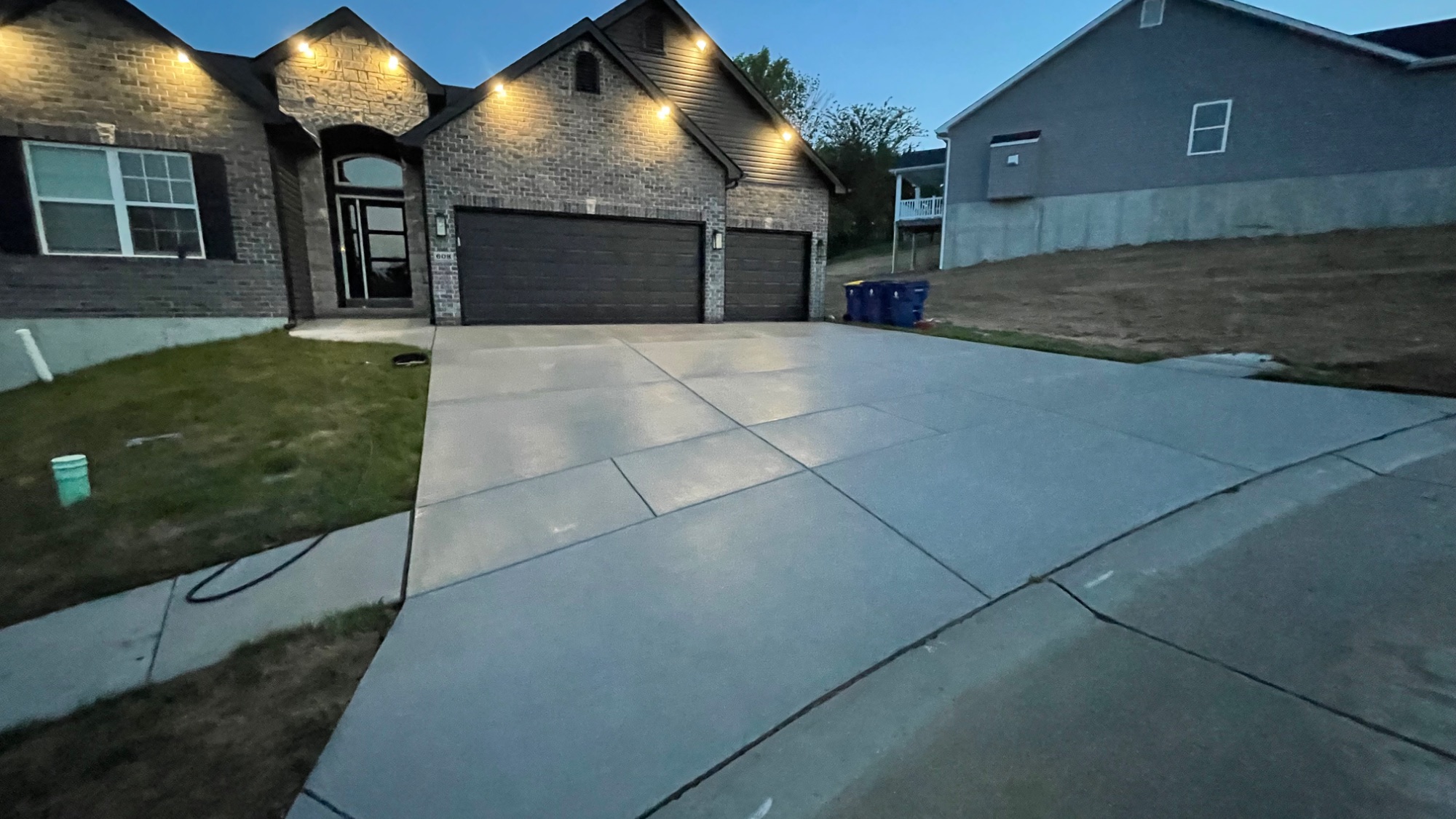
Concrete, pavers, and asphalt driveways collect oil stains, algae, and built-up grime over time. Our pressure washing process lifts years of buildup and restores your driveway's original look.
Starting at $175
What's included
- Pre-treatment of oil stains and heavy grime
- Surface-safe pressure washing for concrete, pavers, or asphalt
- Edge and joint cleaning along garage doors and walkways
- Rust and tannin stain treatment where present
- Weed and moss removal from expansion joints
- Optional sealant recommendations after cleaning
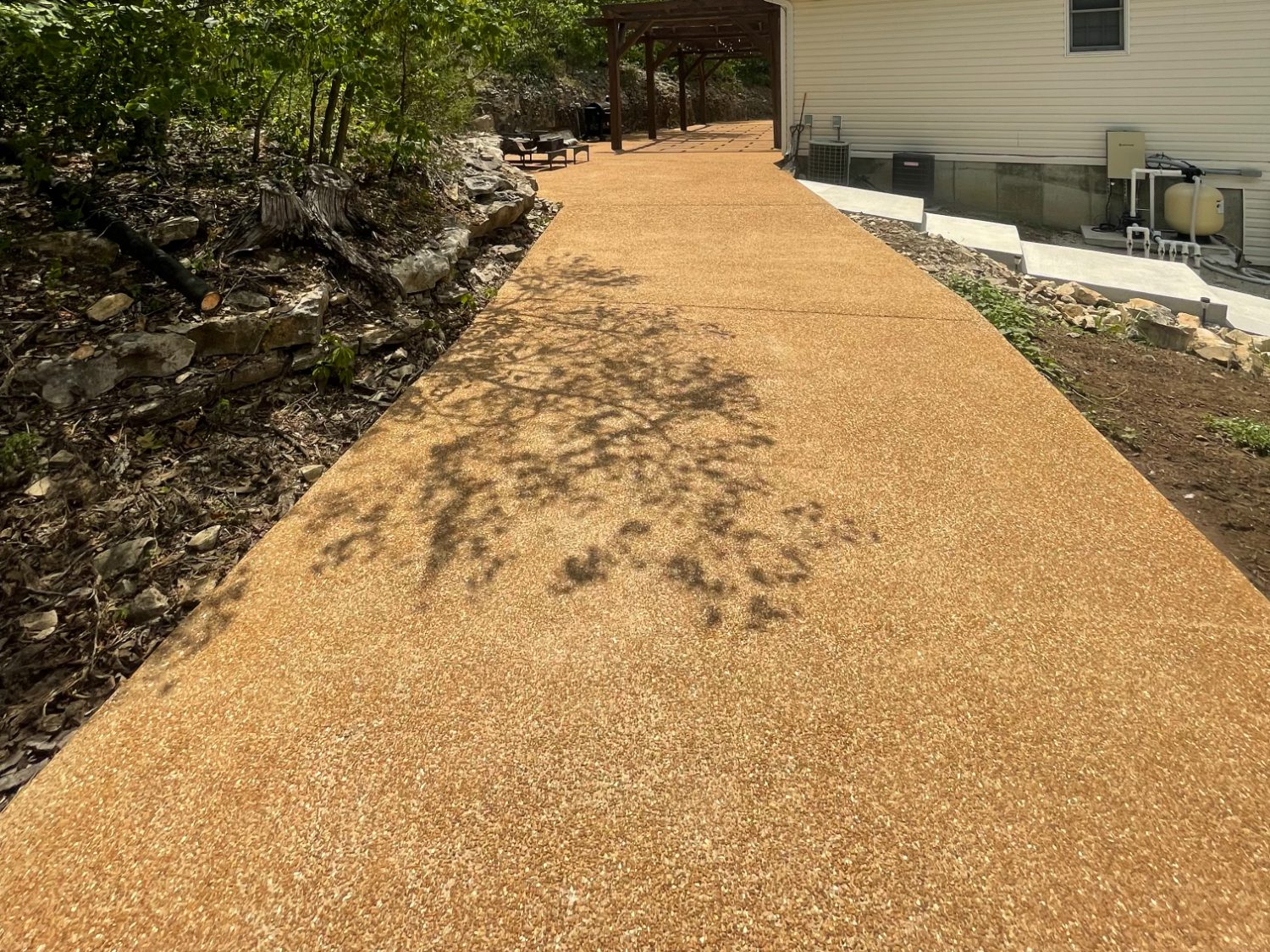
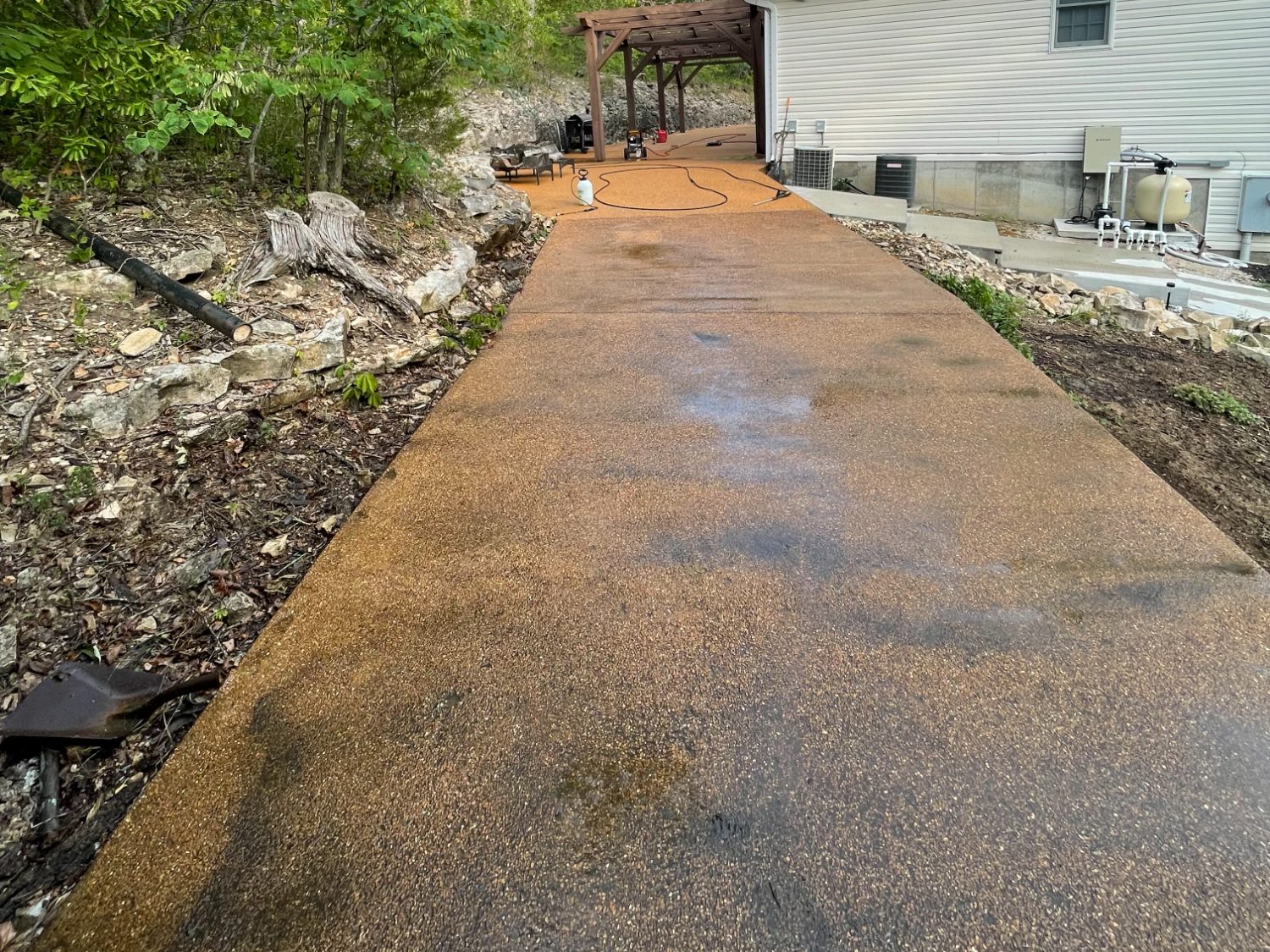
Our process
- 1
Inspect
We walk the full driveway to assess surface material, existing damage, and staining, then set the pressure and chemical approach that fits — what works on sealed concrete can damage an older or more porous surface.
- 2
Pre-treat
Oil stains, rust, and heavy grime get a dedicated pre-treatment soak first. Skipping this step is the most common reason a driveway wash looks patchy instead of even.
- 3
Clean
Surface-appropriate pressure washing across the full driveway, working in overlapping passes so there are no streaks or missed strips once it dries.
- 4
Rinse & review
A final rinse clears loosened debris and cleaning solution, then we walk it with you before we leave so you can flag anything before we pack up.
Frequently asked questions
Will pressure washing damage my driveway?
We calibrate pressure and technique to your surface material, so it's safe for concrete, pavers, and asphalt. Older or more porous surfaces get a gentler approach.
How often should a driveway be cleaned?
Most homeowners in our service area clean once a year, more often near trees or with heavy vehicle traffic that tracks in oil and grime.
Can you get rid of oil stains completely?
Fresh oil stains usually lift fully with pre-treatment. Older, set-in stains often lighten significantly but may not disappear entirely — we'll let you know what to expect before we start.
Do you clean paver or stamped concrete driveways too?
Yes — pavers and stamped concrete just need a different pressure setting and technique to avoid disturbing joint sand or damaging the stamped pattern.